Peak Performance Buoyancy: The Secret to Using Less Air and Saving the Reef
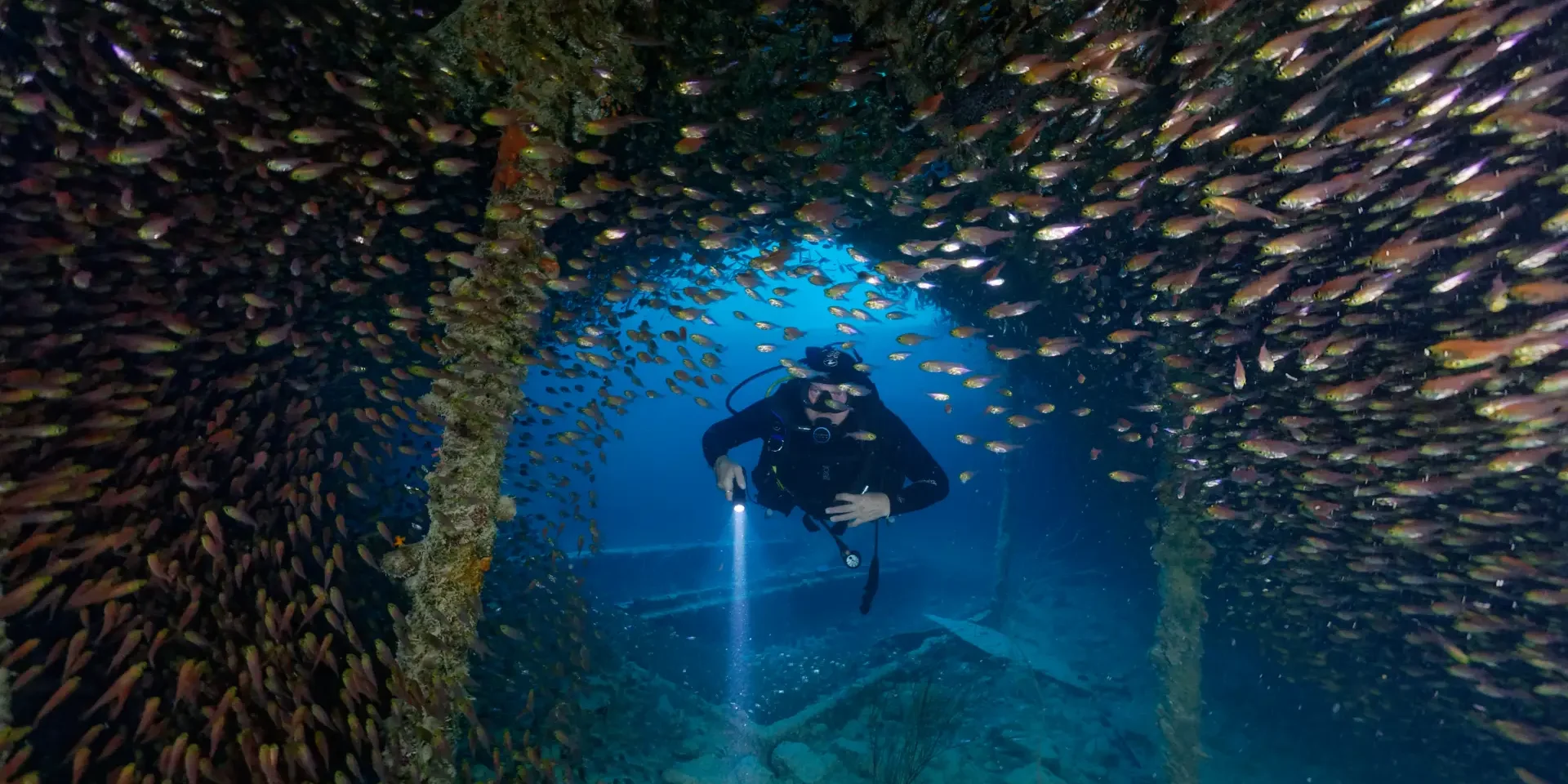
Watch a dive professional underwater. They don’t seem to swim; they glide. They hover motionless over a coral head, inspect a tiny nudibranch, and then back away without moving a single fin. They look Zen-like.
Now, think about your last dive. Did you feel like you were constantly fighting to stay down? Did you find yourself kicking to keep your feet up? Did you burn through your air faster than you wanted?
The difference isn’t magic; it’s buoyancy control.
At Scubadore Hurghada, we believe that Peak Performance Buoyancy (PPB) is the “Holy Grail” of diving skills. It is the single factor that separates a nervous beginner from a confident, advanced diver. It’s not just about looking cool; it’s about safety, air consumption, and protecting the environment we love.
Here is why mastering the art of hovering is the best investment you can make in your diving future.
The Air Consumption Connection
The most common complaint we hear from new divers is: “I use my air too fast.”
While fitness plays a role, poor buoyancy is the #1 cause of excessive air consumption. Here is the physics behind it:
- The Overweight Trap: Many divers wear too much lead. To compensate for being heavy, they add air to their BCD. This turns the BCD into a large, inflated balloon, creating massive drag (resistance) in the water.
- The Constant Kick: If you aren’t neutrally buoyant, you are likely sinking or floating. To fight this, you have to kick constantly to maintain your depth.
- The Result: Drag + Constant Kicking = Hard Physical Work. Hard work raises your heart rate and breathing rate, draining your tank in record time.
The PPB Solution: When you are perfectly weighted and neutral, you don’t need to kick to stay at depth. You glide. Your heart rate drops, your breathing slows, and your dive time skyrockets.
Saving the Reef (and Being a Responsible Diver)
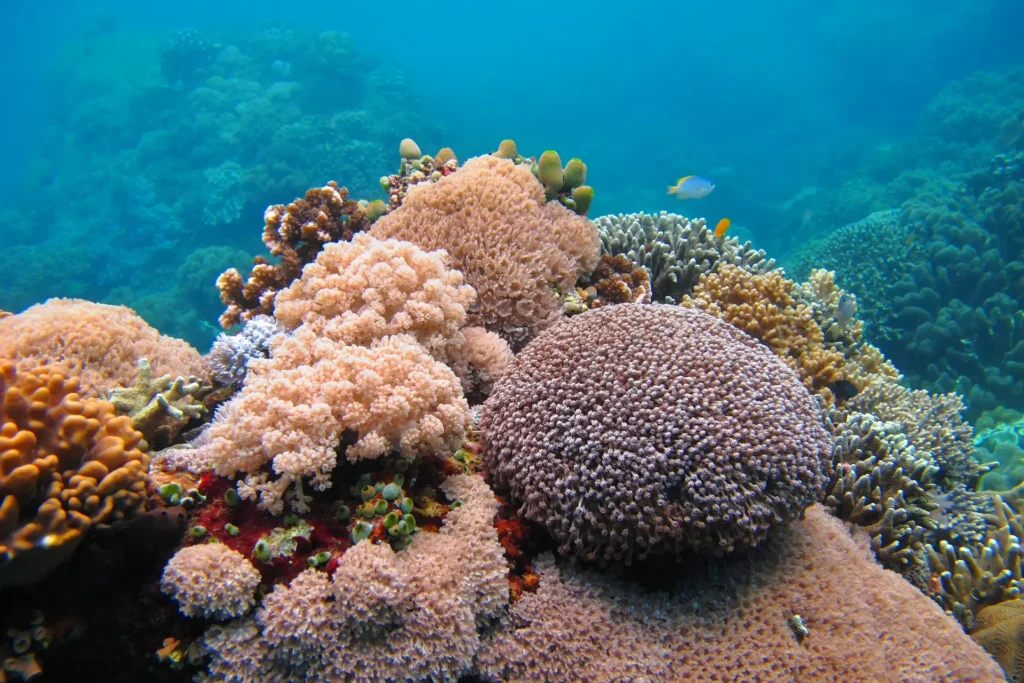
We love the Red Sea reefs, and we know you do too. But a diver with poor buoyancy is like a wrecking ball in a china shop.
- Unintentional Damage: Most reef damage isn’t malicious; it’s accidental. A dropping fin, a banging knee, or a gauge dragging across the coral happens when a diver lacks control.
- The Sand Cloud: Even if you don’t touch the reef, kicking up sand (silting) can smother delicate corals and ruin the visibility for everyone else (especially photographers!).
The PPB Solution: Mastery allows you to hover above the reef, not crash into it. It allows you to get close to observe a Stonefish or a Moray Eel without fear of falling onto them.
Three Steps to Mastery
So, how do you achieve this “Zen” state? It comes down to three key factors that we focus on during our courses and guided dives.
Step 1: The Proper Weight Check
Most divers are overweighted. At the start of your trip with Scubadore, we will conduct a proper weight check. The goal is to carry the minimum amount of weight needed to keep you down at the end of the dive with an empty tank. Shedding those extra 2 kilos can transform your experience.
Step 2: Trim (Body Position)
Buoyancy isn’t just about going up and down; it’s about your angle. You want to be horizontal (flat), not vertical (feet down). If your feet are low, every kick propels you up, messing up your buoyancy. We help you adjust your weight distribution so you stay flat and streamlined effortlessly.
Step 3: Breath Control
This is the master key. Once you are neutrally buoyant, you stop using your BCD inflator. You use your lungs.
- Inhale deeply: You rise slightly.
- Exhale deeply: You sink slightly. This “fine-tuning” allows you to move over obstacles just by taking a breath. It is the ultimate feeling of freedom.
Take the Course: PADI Peak Performance Buoyancy
While you learn the basics in your Open Water course, the PADI Peak Performance Buoyancy Specialty is a dedicated course designed to fast-track your skills and also a necessary component of your Advanced Open Water Certification.
In just two dives, we focus 100% on:
- Fine-tuning your weighting.
- Positioning your tanks and weights for perfect trim.
- Hovering drills (upside down, vertical, horizontal).
- Swimming through hoops and obstacles to build precision.
The Scubadore Difference: Because we teach in small, private, or semi-private groups, you get the time and patience needed to truly “get it.” We don’t rush you through the drills; we play games and practice until hovering feels as natural as walking.
Stop fighting the water and start enjoying the glide. Ask us about adding a PPB adventure dive or specialty course to your next trip!