In the world of shipwrecks, most stories start with a tragedy: a storm, a bomb, or a navigational error. But the story of the Hebat Allah starts with good intentions.
It was meant to be Hurghada’s first premier artificial reef—a purpose-sunk vessel designed to relieve diving pressure on the natural coral reefs. The plan was simple: sink this 51-meter cargo ship in shallow water (30 meters max) so Open Water and Advanced divers could enjoy it safely.
But the Red Sea had other plans.
When the Hebat Allah went down in November 2004, she missed her parking spot. Instead of resting on the shallow shelf, she slid down the slope and settled upright in the sand at 46 meters.
What was meant to be a playground for beginners instantly became an exclusive club for the elite. Today, the Hebat Allah is Hurghada’s premier Deep and Technical dive site. It is intact, upright, and blissfully free of crowds.
At Scubadore Hurghada, we don’t dive this wreck often. But certainly enjoy the story of this “accidental” deep treasure. Here is why the Hebat Allah is worth the training.
The “Ghost Ship” Preservation
Because the Hebat Allah sits below the recreational limit of 40 meters (for the seabed), she sees a fraction of the traffic of the Thistlegorm or the Giannis D.
-
No Crowds: You will likely be the only boat on the site.
-
No Damage: There are no broken corals from careless fins, and the structure is pristine.
-
The Setup: Because she was prepped for divers, the doors and hatches were removed before sinking. This makes for safe, easy penetration without the risk of entrapment, allowing you to glide through the bridge and cargo holds with ease.
The Depth Profile: A Technical Dream
The wreck sits perfectly upright on an even keel.
-
The Superstructure (Top): Starts at roughly 25 meters.
-
The Deck: Sits at 30–35 meters.
-
The Propeller (Bottom): Rests at 46 meters.
This profile makes it a challenging dive on a single tank of air due to very short No-Decompression Limits (NDLs). However, for divers diving on Nitrox (for the upper sections) or those training in Decompression Procedures, it is the perfect classroom.
The Marine Life Takeover
Despite being made of steel, the Hebat Allah has been embraced by the ocean. In the years since her sinking, she has become a thriving ecosystem.
-
Glassfish & Anthias: The wheelhouse is often filled with swirling clouds of glassfish, creating a mesmerizing disco-ball effect when you shine a torch.
-
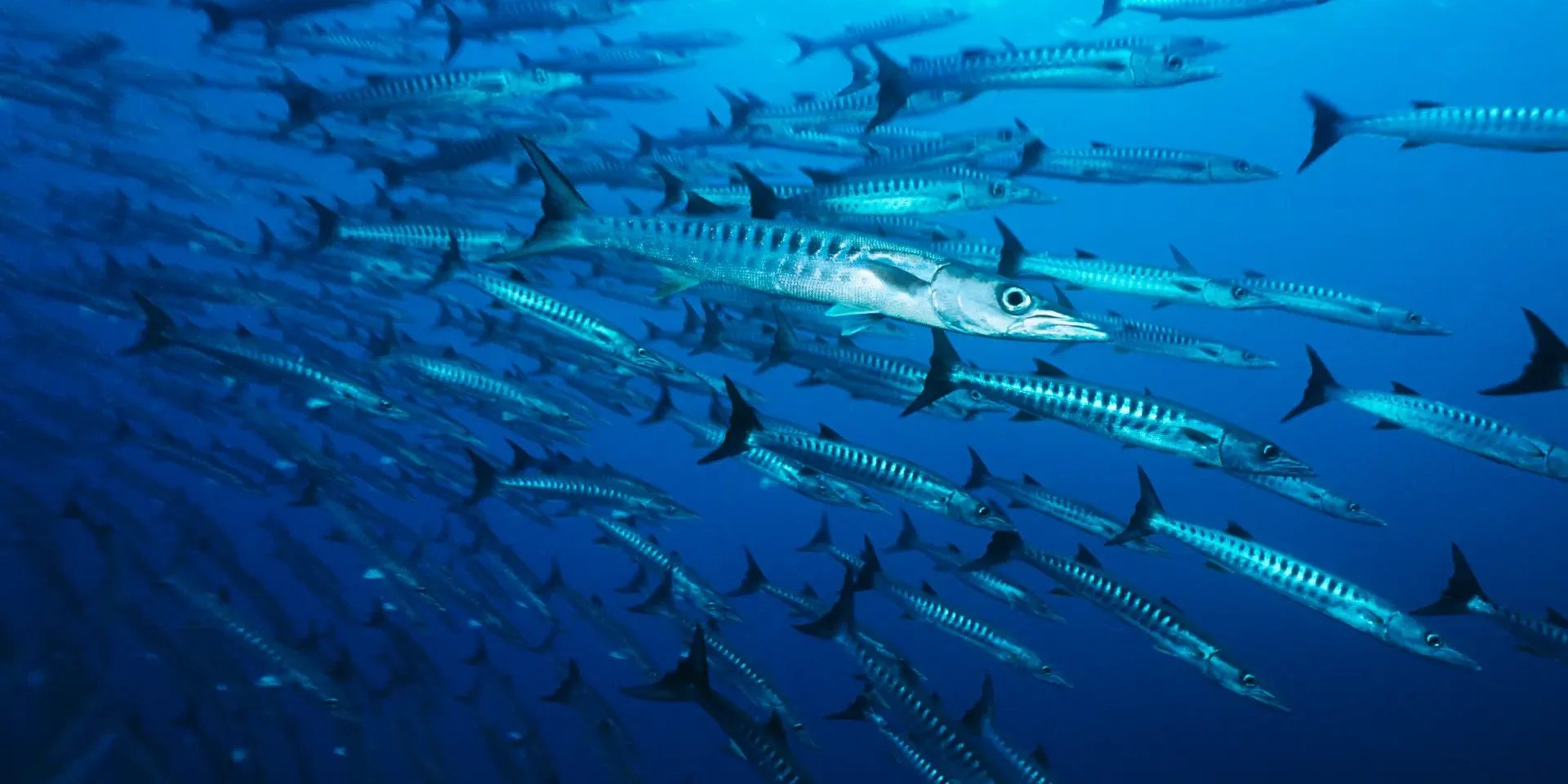
The Patrol: Because of the depth and the currents, large solitary Barracuda and Jackfish often patrol the perimeter, using the wreck as a shelter from the open blue.
-
Soft Coral: The railings and masts are beginning to sprout beautiful soft corals, proving that nature moves fast.
Can You Dive It? The Requirements
This is not a dive for everyone. To ensure safety, local regulations and common sense dictate strict prerequisites for the Hebat Allah.
To dive with Scubadore on this wreck, you typically need:
-
PADI Deep Diver Specialty (or equivalent) to go to 40 meters.
-
Minimum 50–100 logged dives (depending on conditions).
-
Nitrox Certification (highly recommended to maximize bottom time on the deck).
-
Tec 40 / 45 / 50: This is the ideal certification level. Technical divers can explore the propeller and the seabed, enjoying extended bottom time while recreational divers have to ascend.
The Scubadore Deep Experience
If you have the certification, the Hebat Allah offers something rare in the modern diving world: Solitude.
Imagine descending the line into the deep blue. Slowly, a massive, intact ship materializes below you. You land on the deck, check your computer, and look around. No other bubbles. No other boats. Just you, your buddy, and a massive steel monument to the unpredictable nature of the sea.
If you are ready to go deep, the Hebat Allah is waiting.