What Makes the Visibility So Outstanding While Diving in Hurghada?
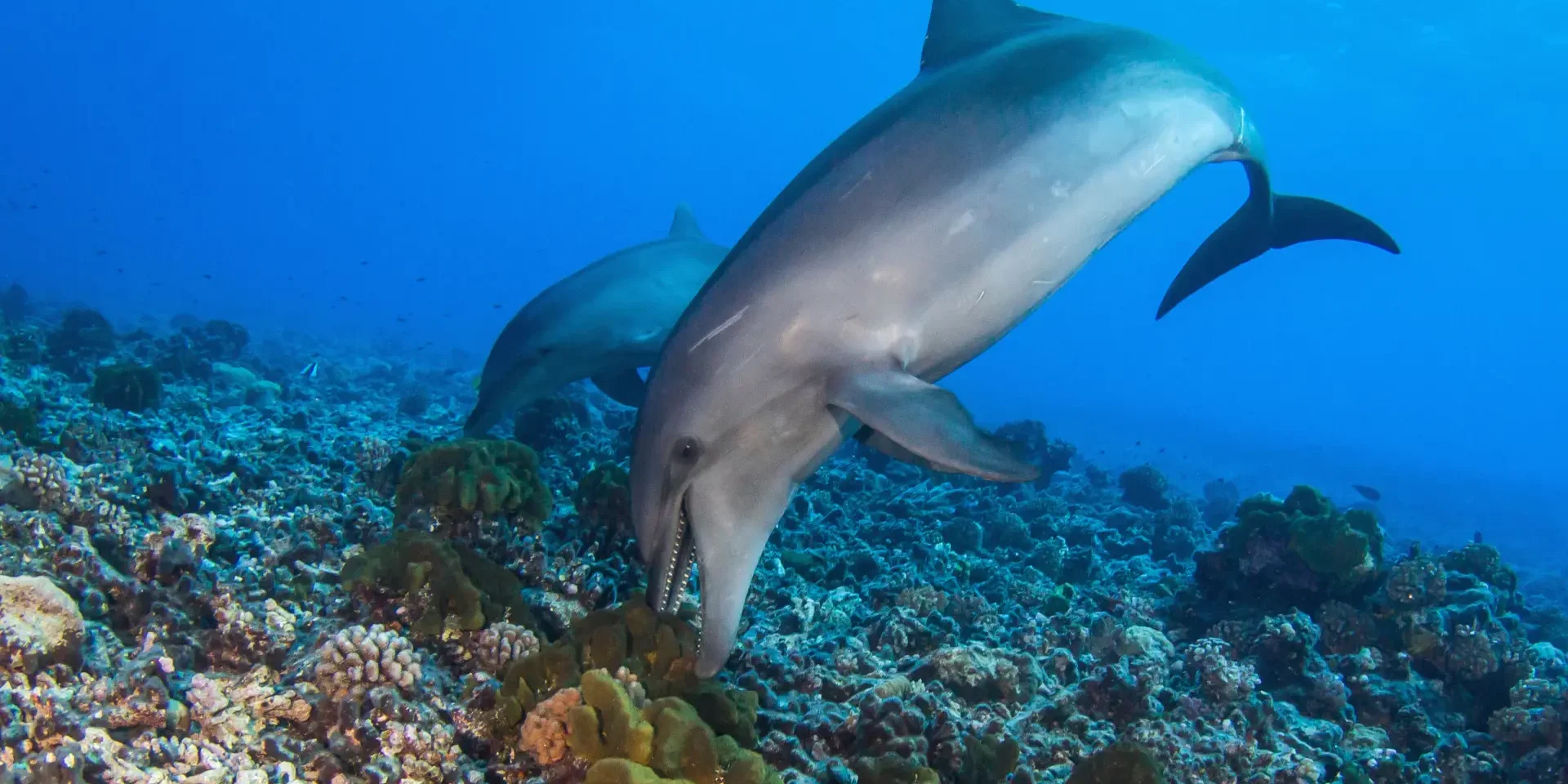
If there is one thing that defines the experience of diving in Hurghada, it’s the water. Before you even notice the vibrant fish or the intricate corals, you are struck by the sheer, breathtaking clarity of the Red Sea. It’s often described as a “crystal curtain” or like flying through air, with visibility that frequently exceeds 30, 40, or even 50 meters.
This isn’t just a lucky coincidence; it’s the result of a unique and powerful combination of geographical and environmental factors. This world-class visibility is one of the key ingredients that makes Hurghada a paradise for divers and underwater photographers.
At Scubadore Hurghada, we are privileged to guide our guests through these exceptionally clear waters every day. So, let’s take a look behind the crystal curtain and explore the science and geography that bless the Red Sea with its legendary visibility.
1. The Desert’s Embrace: No River Runoff
This is arguably the single most important factor. The Red Sea is a vast body of water flanked on all sides by one of the driest places on Earth: the Arabian and North African deserts. Major rivers are the primary source of sediment, silt, and pollution for the world’s oceans. As rivers flow towards the sea, they carry tons of suspended particles—essentially mud and dirt—which they dump into the coastal waters, dramatically reducing visibility.
The Red Sea has virtually no major rivers feeding into it. The lack of rainfall in the surrounding deserts means there is almost no land runoff. This pristine environment is like a perfectly maintained aquarium on a colossal scale, free from the constant influx of sediment that clouds other coastal diving destinations.
2. A Deep, Enclosed Basin
The Red Sea is not a shallow coastal shelf; it is a deep and relatively narrow tectonic rift valley. In many places, the seabed plunges to depths of over 1,000 meters not far from the coast. This incredible depth creates a huge volume of water that can easily absorb and disperse any particles that do exist.
Furthermore, the Red Sea is a semi-enclosed sea, connected to the wider Indian Ocean only by the narrow strait of Bab-el-Mandeb in the south. This limited water exchange means it functions more like a massive, stable lake than a turbulent ocean, allowing any suspended particles to settle slowly into the deep abyss, leaving the upper, sunlit layers—where we dive—exceptionally clear.
3. Low Nutrient Levels & Minimal Plankton
While it may sound counterintuitive, the crystal-clear water is also a sign of a low-nutrient environment. Phytoplankton, the microscopic marine plants that form the base of the ocean’s food chain, thrive in nutrient-rich waters. While essential for life, dense blooms of phytoplankton are what give many oceans a greenish, murky appearance.
Due to the lack of river runoff (which brings agricultural fertilizers and other nutrients), the Red Sea is naturally low in the nitrates and phosphates that phytoplankton need to bloom in large numbers. While there is more than enough microscopic life to support a vibrant and complex food web, it’s not dense enough to significantly impact the water clarity. This results in that stunning, deep, and gin-clear blue that is the signature of the Red Sea.
4. An Arid Climate with High Evaporation
The hot, dry desert climate leads to a very high rate of evaporation from the Red Sea’s surface. This process removes fresh water, leaving the salts and minerals behind, which contributes to the sea’s high salinity. This high salinity and the consistently warm temperatures create a stable and predictable marine environment that is perfect for the development of coral reefs, which in turn act as natural filters for the water.
The Scubadore Difference: Keeping It Clear
This incredible natural visibility is a precious resource, and we believe in doing our part to preserve it on every dive. This is where our small-group philosophy and focus on excellent diving skills come into play.
- Mastering Buoyancy: The biggest threat to local visibility on a dive site is poor buoyancy control, which can cause a diver’s fins to kick up clouds of sand and silt, ruining the view for everyone. We emphasize and teach excellent buoyancy to all our divers.
- Small, Controlled Groups: A large, crowded group of divers inevitably stirs up more sediment. Our small, expertly-led groups move calmly and carefully through the water, leaving the environment as pristine as we found it and ensuring the visibility remains perfect for the entire dive.
The spectacular visibility in Hurghada isn’t just a feature of our dives; it’s the very essence of the experience. It allows you to appreciate the full grandeur of the reefs, to spot marine life from a distance, and to feel a true sense of freedom and flight in the underwater world. Come and see for yourself—the view is incredible.