Why Red Sea Coral Reefs Are Among the Most Resilient in the World
The news about global coral reefs is often heartbreaking. We frequently read headlines about rising ocean temperatures, mass bleaching events, and the decline of famous dive destinations around the world.
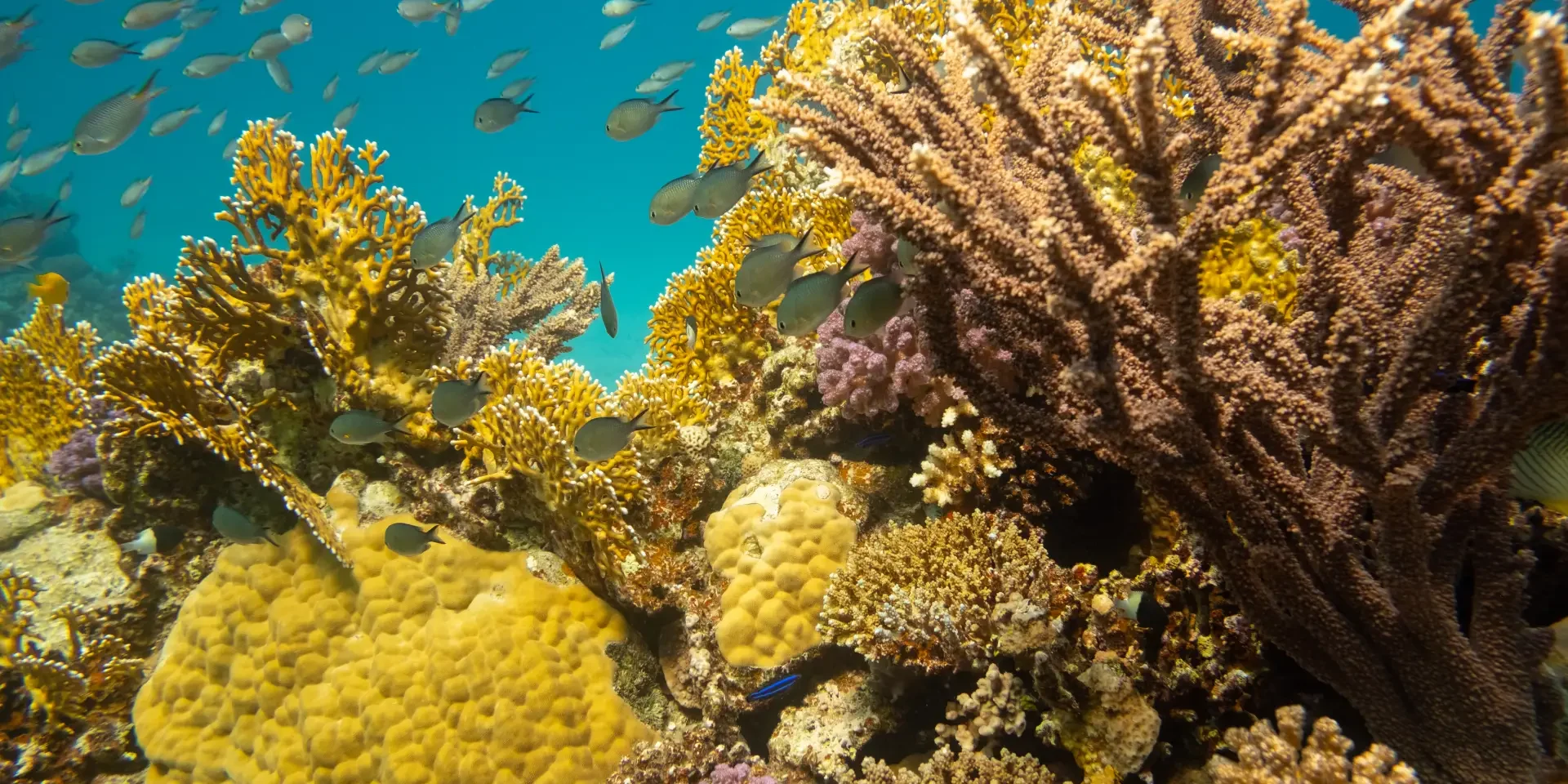
But if you have recently dived in Hurghada, you might be confused. Our reefs are exploding with color. The corals are healthy, the fish life is dense, and the ecosystem is thriving.
This isn’t just luck. Scientists have discovered that the coral reefs of the Northern Red Sea (including the waters around Hurghada and the Gulf of Aqaba) are biologically unique. They are officially recognized as a global marine refuge against climate change, home to what marine biologists are calling “supercorals.”
At Scubadore Hurghada, we consider ourselves incredibly privileged to dive these resilient reefs every day. Here is the fascinating science behind why our corals survive—and thrive—when others cannot, and what it means for your next dive trip.
 The “Supercoral” Buffer
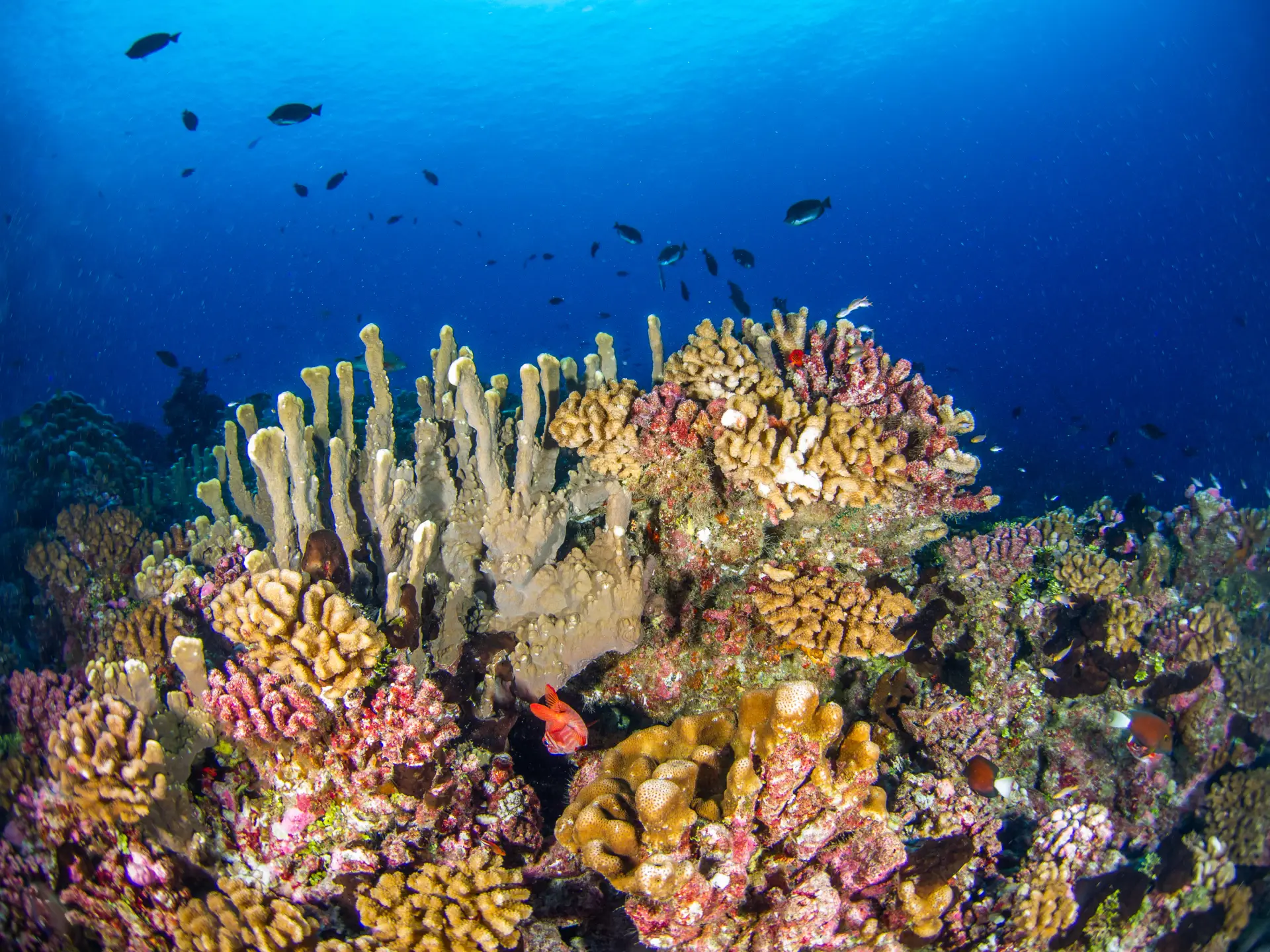
To understand coral bleaching, you have to understand the coral’s roommate. Corals have a symbiotic relationship with microscopic algae called zooxanthellae, which live inside their tissues, provide them with food via photosynthesis, and give the coral its vibrant color.
When water temperatures rise just 1°C to 2°C above the normal summer maximum, corals get stressed and expel this algae. They turn stark white (bleaching) and, without their food source, eventually starve.
The Red Sea Exception:
Scientists testing the corals from our region found something astonishing. The corals in the Northern Red Sea don’t bleach at +1°C. They can withstand temperatures up to 5°C to 6°C above their summer maximum before showing signs of severe stress. They have a massive thermal buffer built into their biology, meaning they can easily brush off the summer heatwaves that devastate reefs in the Caribbean or the Pacific.
The Evolutionary Bottleneck: A 15,000-Year Journey
So, how did the corals in Hurghada get superpowers? The answer lies in an ancient evolutionary obstacle course.
Around 15,000 years ago, during the Last Glacial Maximum (the Ice Age), sea levels dropped so dramatically that the Red Sea was essentially cut off from the Indian Ocean and dried out, killing the marine life inside.
When the ice melted and sea levels rose, water flooded back in through the narrow Bab el Mandab strait in the extreme south. To recolonize the Red Sea, coral larvae had to float through this strait.
- The waters in the southern Red Sea are naturally incredibly hot (often exceeding 32°C / 90°F).
- This acted as a brutal, natural filter. Only the absolute toughest, most heat-tolerant coral larvae survived the journey.
These “supercorals” then slowly migrated north over thousands of years to settle in the cooler waters around Hurghada and the Gulf of Aqaba. Today, the water here is much cooler than in the south, but the corals still possess the genetic heat-tolerance of their ancestors. They are over-engineered for our current climate.
What This Means for Divers in Hurghada
For scuba divers and underwater photographers, this scientific miracle translates into a world-class holiday experience.
- Year-Round Color: While other destinations have “bleaching seasons” where the reefs lose their vibrancy, Hurghada’s reefs remain a kaleidoscope of rich purples, reds, and yellows all year long.
- A Window to the Future: Scientists from all over the world travel to the Red Sea to study our reefs. When you dive here, you are literally swimming through the ecosystem that scientists believe holds the key to saving the rest of the world’s oceans.
The Scubadore Responsibility: Protecting the Refuge
Just because our corals can beat the heat doesn’t mean they are invincible. While they are resilient to climate change, they are still highly vulnerable to local threats like pollution, dropped anchors, and careless divers.
Because we are diving in a global climate refuge, our responsibility to protect it is higher than ever.
- Perfecting Buoyancy: This is why we stress Peak Performance Buoyancy (PPB) on every dive. A heavy fin kick can destroy a coral colony that took 50 years to grow.
- The “No Touch” Rule: We enforce a strict hands-off policy. Touching coral removes its protective mucus layer, making it susceptible to disease.
- Small Group Impact: By diving in private or semi-private groups, we drastically reduce the physical pressure on the dive sites we visit. Fewer bubbles and fewer fins mean a healthier reef.
The Red Sea is one of the last great strongholds for coral on planet Earth. When you dive with Scubadore, we ensure you witness this miracle safely, respectfully, and unforgettably.